How the work gets made
Development, casting, production, distribution and measurement, for a series, a podcast, an integration or a one-off creator project. Each stage ends in something the brand can see and sign off before the next one starts.
Stage 1 of 5
Development
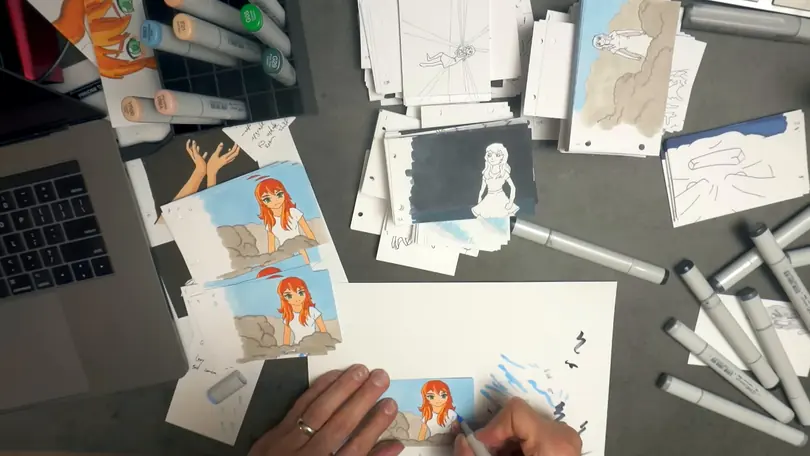
Development is where a brief becomes something to make. We read the brand's brief next to the audiences of the creators who might make it with us, then write the idea down. For a series that is a format, with the premise, the shape of an episode, the shape of the season and where the brand sits in each, and for an integration or a one-off project it is a treatment and a shoot plan.
It ends in a decision. The brand sees the idea, the creator shortlist, a script or shoot plan, a release plan and a measurement plan, and then commissions the work, asks for changes or stops there.
What the brand gets
- Format one-pager or treatment
- Season outline with episode loglines, for a series
- Script or shoot plan
- Creator shortlist with audience notes
- Draft release plan
- Measurement plan, agreed before anything is shot
The brand approves
The idea, the shortlist and the measurement plan
Stage 2 of 5
Casting
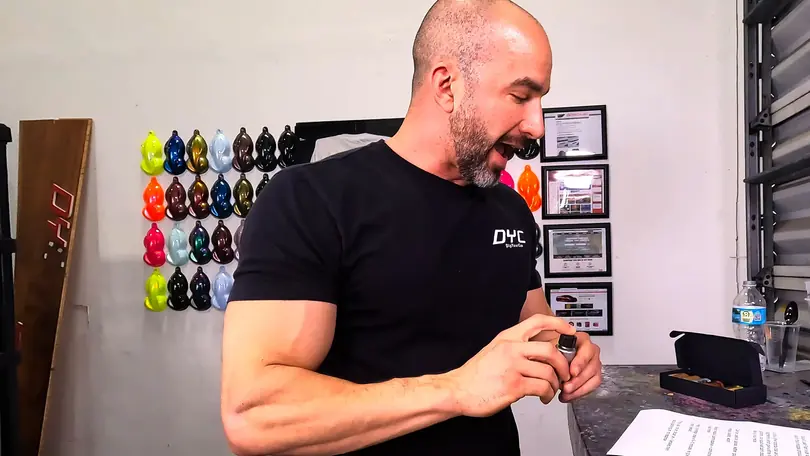
The creator shapes the work more than any other choice, so we cast before we write the script. We look at the creator's own format, the audience that watches it, how they talk about products, and their back catalogue, including how they have disclosed paid work before.
Shortlisted creators meet the brand for a chemistry read: a short conversation about the premise, early enough that either side can walk away before anything is written.
What the brand gets
- Longlist and shortlist, with the reasons for each
- Audience review for every shortlisted channel
- Back-catalogue and disclosure review
- Chemistry reads with the brand
The brand approves
The creator
Stage 3 of 5
Production
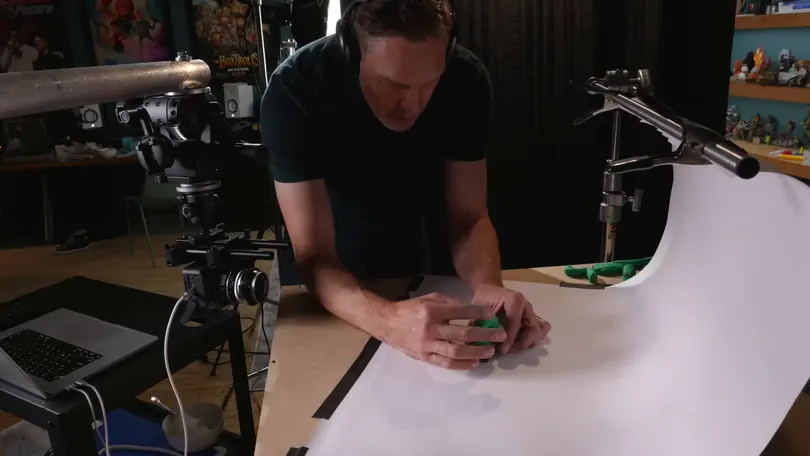
Pre-production turns the plan into a run of show, call sheets, locations and a crew sized to the format. We shoot with the creator's own team where they have one and build the crew around them where they do not.
Every cut goes through two review rounds with the brand and the creator. We check each claim against what the brand can substantiate, and no video leaves the edit without the disclosure said aloud and shown on screen.
What the brand gets
- Run of show, call sheets and locations
- The shoot
- Edits with two review rounds
- Masters for YouTube, Shorts and podcast apps
- Captions, chapters and thumbnails made with the creator
The brand approves
Every cut
Stage 4 of 5
Distribution
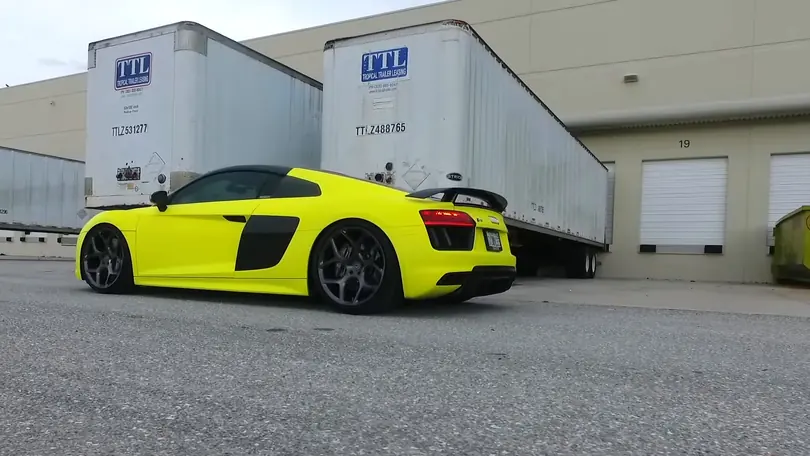
Work released on the creator's channel opens in front of people who already chose to watch that creator. We plan the release day, the order of the videos, the Shorts cut-downs, the brand's own channel and any audio feed together, before the shoot, so every asset is filmed for the place it will run.
Paid seeding takes the work past the creator's subscribers. YouTube renamed BrandConnect in March 2026. As YouTube Creator Partnerships it sits inside Display & Video 360 and Google Ads for advertisers (YouTube Blog, March 2026), and its boost feature runs a linked creator video as an ad (Google Ads Help). Before the shoot we settle in writing what the brand can use, where and for how long.
What the brand gets
- Release calendar
- Asset list for every channel
- Paid seeding plan and budget split
- Usage terms agreed before the shoot
The brand approves
The release plan and the seeding budget
Stage 5 of 5
Measurement
We measure the work on attention and on the brand. Attention is watch time, average percentage viewed, videos finished and returning viewers. The brand side is a lift study, in which people who saw the work are set against a matched group who did not (Google Ads Help), plus search lift and anything the brand already tracks.
In IAB's 2025 creator survey, brands mostly measured creator marketing through ad platform reporting (55%) and first-party analytics (49%), and 34% ran brand lift surveys (IAB, November 2025). We plan the lift study in development, so there is a control group to compare against when the campaign or season ends.
What the brand gets
- Measurement plan, agreed before the shoot
- Reports for each video at 7, 30 and 90 days
- Final report with lift results
- Notes for the next project
The brand approves
The measurement plan, before anything is shot
What brands ask the studio
- What does a project cost?
The size of the work drives it: for a series, how many episodes and how long each runs, along with the crew, the locations, the creator's fee and the paid seeding in the release plan. We price each project at the end of development, once the idea is set, so the number reflects the work the brand is commissioning.
- Whose channel does the work run on?
Usually the creator's channel first, because that is where the audience already watches, and the brand's channel second. A docuseries is the exception: it often lives on the brand's channel, with the presenter sharing chapters on theirs.
- What does the brand own?
Ownership and usage are agreed for each project before the shoot: where the brand can publish the episodes, cut them down or run them as ads, and for how long.
- How much control does the brand keep?
The brand approves the idea, the creator, the measurement plan and every cut. The creator keeps their own voice in the work, since that voice is the reason their audience watches.
- How is branded content disclosed?
Every paid video says it is paid for, out loud and on screen near the start, and the creator turns on YouTube's paid promotion setting. The FTC's FAQ favors an opening disclosure over a closing one (FTC). More in the disclosure guide.
- Do you make podcasts as well as video?
Yes. We make video podcasts for YouTube and narrative podcasts for podcast apps, and we often cut a podcast from the sessions of a video series.
- Do you make integrations and one-off projects?
Yes. Alongside series and podcasts we make integrations inside a creator's regular videos and one-off projects with creators, such as a single film or a launch video. They go through the same five stages, sized to the job.
- Can you work alongside our media agency?
We do. We plan paid seeding with whoever buys the brand's media and share the release plan and the reports with them.
- What sets the timeline?
The size of the work, the shoot and the creator's calendar. We fix the schedule in development, working back from the dates that matter to the brand. Each stage has its own sign-off, so the brand always knows what comes next and when it will see it.
Sources
- YouTube Blog: YouTube Creator Partnerships: A new era for brand and creator collaborations. March 23, 2026.
- Google Ads Help: Creator partnerships boost. Viewed 5 Oct 2026.
- Google Ads Help: About Brand Lift. Viewed 5 Oct 2026.
- IAB: 2025 Creator Economy Ad Spend & Strategy Report. November 2025.
- Federal Trade Commission: FTC's Endorsement Guides: What People Are Asking. Viewed 5 Oct 2026.
Bring us a brief
A paragraph is enough to start. We answer with questions first, then with an idea.
Start a project